

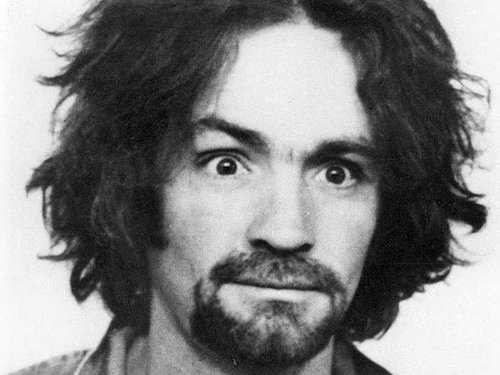
Netflix’s three-part documentary Conversations with a Killer: The Charles Manson Tapes premiered on August 12, shining fresh light on how
convicted cult leader Charles Manson used Dale Carnegie training to transform from “a low-level pimp” to the “frighteningly effective sociopath” who created a cult of killers.
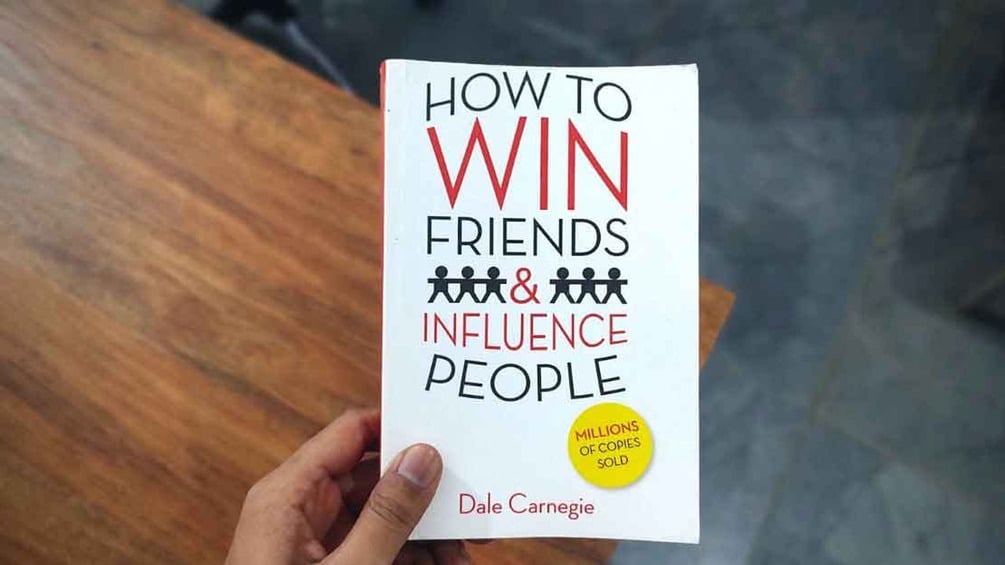
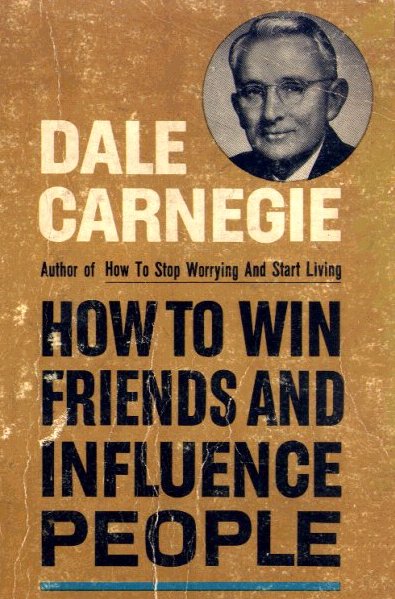
How to Win Friends and Influence People has sold over 30 million copies worldwide, making it accessible to countless readers seeking self-improvement. But
Manson took classes in “How to Win Friends and Influence People,” based on Carnegie’s iconic book, while doing time for car theft in a California federal prison in 1957.
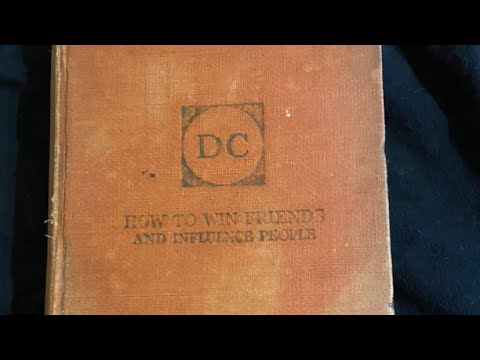
Dale Carnegie Training shaped the lives of such people as Warren Buffett, Johnny Cash, and Emeril Lagasse, but Manson weaponized it. Writer Jeff Guinn, who spent years researching the criminal’s life, identified the self-help manual as crucial to understanding Manson’s rise.
“It was critical in shaping how he manipulated people,” Guinn said.
Speaking to NPR, Guinn detailed how Manson applied Carnegie’s teachings with deadly precision.
“Every line he used, almost word for word, comes from a Dale Carnegie textbook in a class, ‘How to Win Friends and Influence People’.”
Manson’s followers reported a chilling pattern of connection and influence.
“Later in life and in his trial, in his testimony, you hear people say over and over, ‘Oh, it was like he could read my mind. He came and talked to me, and it was like he was immediately the friend I’d wanted and had never had.’ Every line he used, almost word for word, comes from a Dale Carnegie textbook in a class, ‘How to Win Friends and Influence People’.”
Guinn’s research reveals Manson’s manipulative tendencies began in childhood.
“It was amazing how the patterns of his later life were evident right away. Six years old first grade he’s talking the girls in his class into beating up boys he doesn’t like.”
When a school principal confronted young Manson, he used the same deflection he would employ decades later in court.
“Then when the principal comes to ask Charlie, ‘Why did you do that?’ Charlie’s response is, ‘It wasn’t me; they were doing what they wanted. You can’t blame me for that.’ The exact same defense he uses all those years later in the Tate-LaBianca trial.”
The Netflix documentary draws on previously unreleased prison recordings, firsthand accounts, and archival footage, and features interviews with former Manson Family members and law enforcement alongside recorded phone calls with Manson himself.
Oscar-nominated filmmaker Joe Berlinger directs and executive produces the series.
Berlinger explained: “Rather than adding to the mythology surrounding Manson, our goal was to examine the systems of manipulation and control he created, while centering the voices of those who lived through it and continue to grapple with its aftermath.”
On
August 8–9, 1969, followers of Charles Manson brutally murdered Sharon Tate and four others at her home in Los Angeles.
Tate, a fledgling actress whose best-known movie was Valley of the Dolls (1967), was married to filmmaker Roman Polanski and was more than eight months pregnant.
Through carefully orchestrated sexual orgies, organized drug use, and his own religious and mystical teachings, Manson exercised considerable power over his followers, and on the night of August 8, 1969, Manson dispatched five Family members, Patricia Krenwinkle, Susan Atkins, Charles “Tex” Watson, Leslie Van Houten, and Linda Kasabian, to an estate in the Hollywood Hills rented by film director Roman Polanski and his wife, actor Sharon Tate.
Kasabian acted as a lookout while Atkins, Krenwinkel, and Watson broke into the house and brutally murdered five people: Tate, who was eight months pregnant; coffee heiress Abigail Folger; Polish writer Wojciech Frykowski; celebrity hairstylist Jay Sebring; and Steven Parent, a friend of the property’s caretaker.
Less than two days later, the group killed again, murdering supermarket executive Leno LaBianca and his wife Rosemary in their home.
The savage crimes shocked the nation and turned Charles Manson into a criminal icon.
The documentary’s examination of Manson’s influence arrives at a time when his mystique remains culturally potent.
Back in his heyday, he recruited a devoted set of followers to his “family”, some of whom went on to murder people for him and whose tragic story has inspired numerous books, films and TV programmes.
Not only did he take a Dale Carnegie course on “How To Win Friends and Influence People”, but he also was an obsessive student of the identically titled book.
Carnegie’s principles on genuine interest, active listening, and making others feel valued became lethal in Manson’s hands.
The new Netflix series will conclude its three-episode run streaming on the platform.