

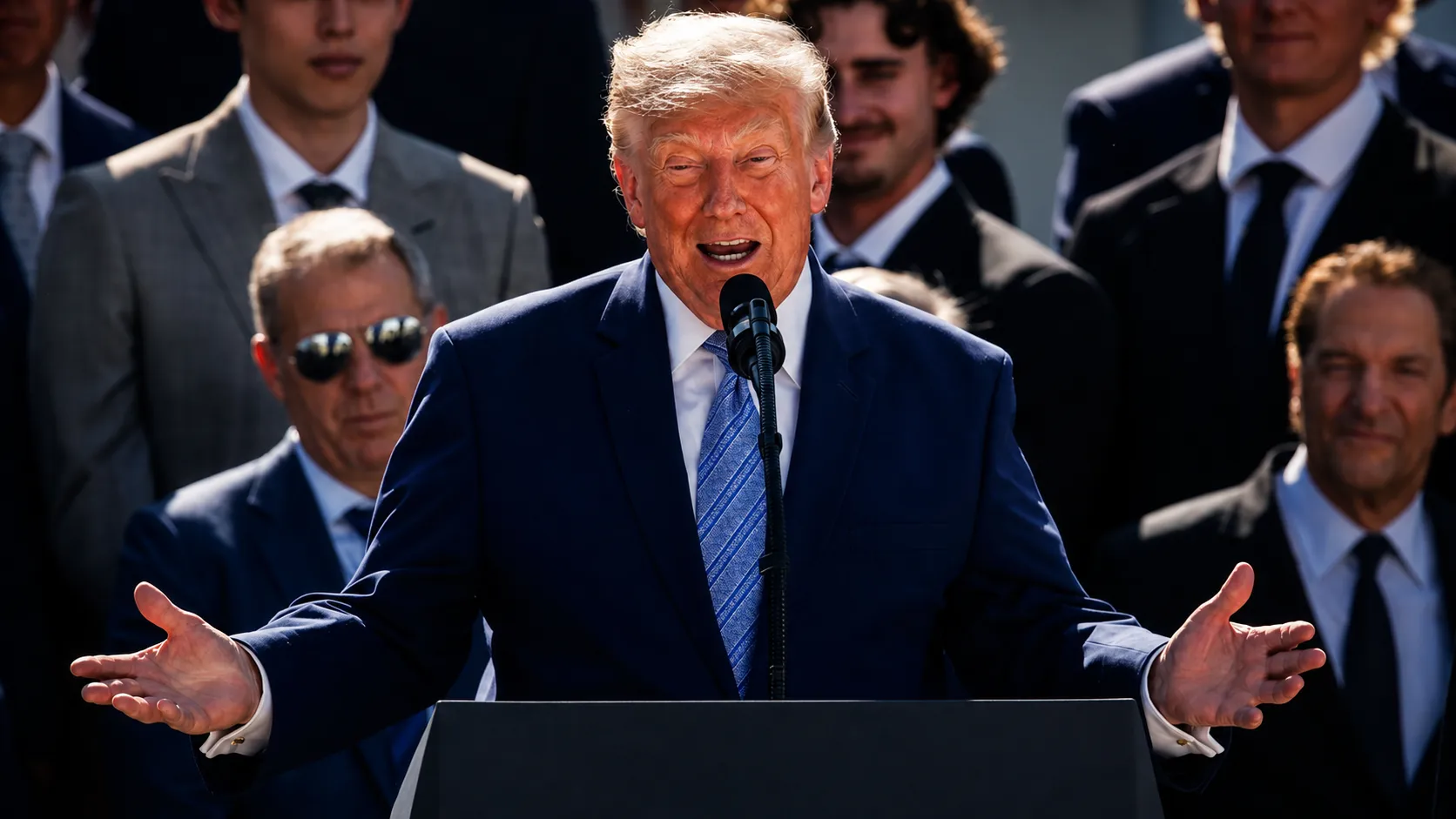
A body language specialist has examined Donald Trump’s trademark gestures and often erratic speaking style, arguing that the president may be trying to present a noticeably different version of himself.
Trump’s speeches have long been known for drifting away from the main topic. A recent example came during remarks to manufacturing workers in Pennsylvania last month, when his address veered into an unexpected impression of female and transgender weightlifters — something Melania Trump is said to have advised him against doing.
The White House has also been using the event as part of a broader effort to present Trump as a more disciplined and workmanlike figure in his second term. Trump was sworn in as the 47th president on January 20, 2025, and his official appearances since then have increasingly been framed around scripted remarks, prepared events and longer policy-heavy addresses.
However, after Trump welcomed the Los Angeles Dodgers to the White House following their World Series victory, body language expert Inbaal Honigman said the president now appears eager to come across as more serious than he did during his first time in office.
Reviewing Trump’s posture and delivery during the event, which was aired by outlets including LiveNow from FOX, Inbaal said:
“Trump tries his best to stick to the script.
“As he calls out the names of those in attendance, his eyes are lowered, fixed on the cue cards on the podium.
“This is a different Trump from the one who served as the 45th President. Back then, sticking to the script was not part of his repertoire, but this isn’t the only difference.”
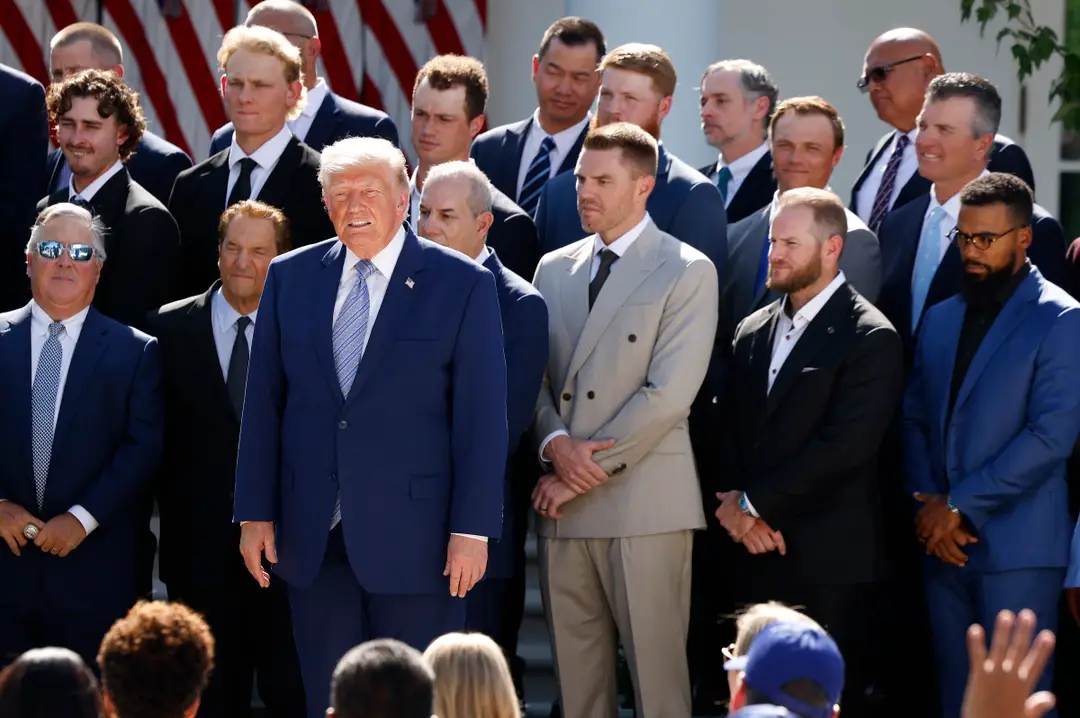
Speaking on behalf of Casino, the expert said Trump appears determined to project a more disciplined and focused image than in years past.
“The President is keen to project a different, more responsible and focused persona than he used to. Whereas seven or eight years ago his public addresses were full of excessive gesticulating, wide arm gestures, and free-spirited movements, now he prefers to keep his hands tucked to the sides of the podium.
“Those excessive gestures once signified the overconfident character that was Trump 45, but Trump 47 reins in both his hands and his broad movements. This level of self-control must have taken a great deal of practice, and there’s no doubt that a lot of thought and reflection have contributed to the change.”
Inbaal also said she believes Trump has a strong “desire to be taken more seriously” after years of mockery and criticism. She suggested he wants to be viewed as more statesmanlike, which could help explain the more restrained physical style.
That image-control has not, however, stopped Trump from continuing to mix formal remarks with the off-the-cuff storytelling and digressions that have long defined his public persona. During major appearances in his second term, he has often alternated between reading from notes and slipping into spontaneous comments, a contrast that may help explain why some observers see a more contained but still unmistakably recognisable Trump.
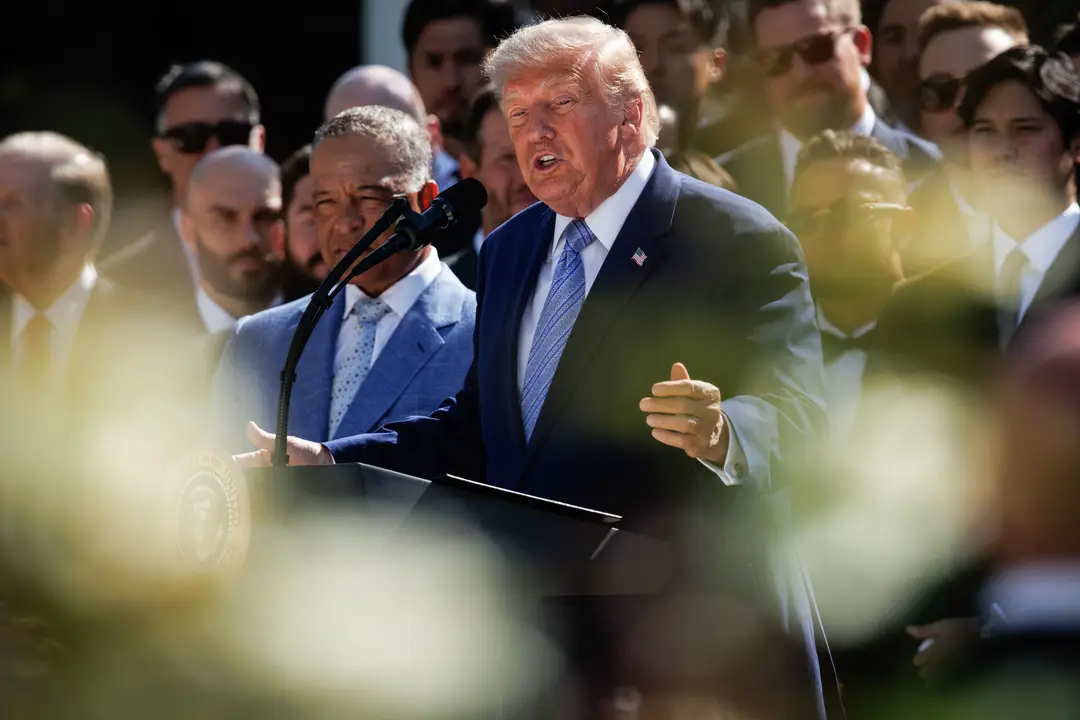
Her reading of his latest appearance continued with an assessment of how he reacted while telling one particular story.
“When Trump talks about the bet he made with the Prime Minister of Canada, he comes across as proud of himself, as though the achievement were his own.
“Raising his chin, the memory appears to fill him with a sense of power and superiority. Rubbing the sides of the podium with his hands, he seems excited to share the story.
“Trump’s body language as he cedes the podium is proud and delighted. He appears to feel that he’s done a fantastic job with the address. Trump’s tongue touches the corner of his mouth, a sign of smugness. He adjusts his jacket, a gesture that signifies status, as though he feels above everyone else there.”