

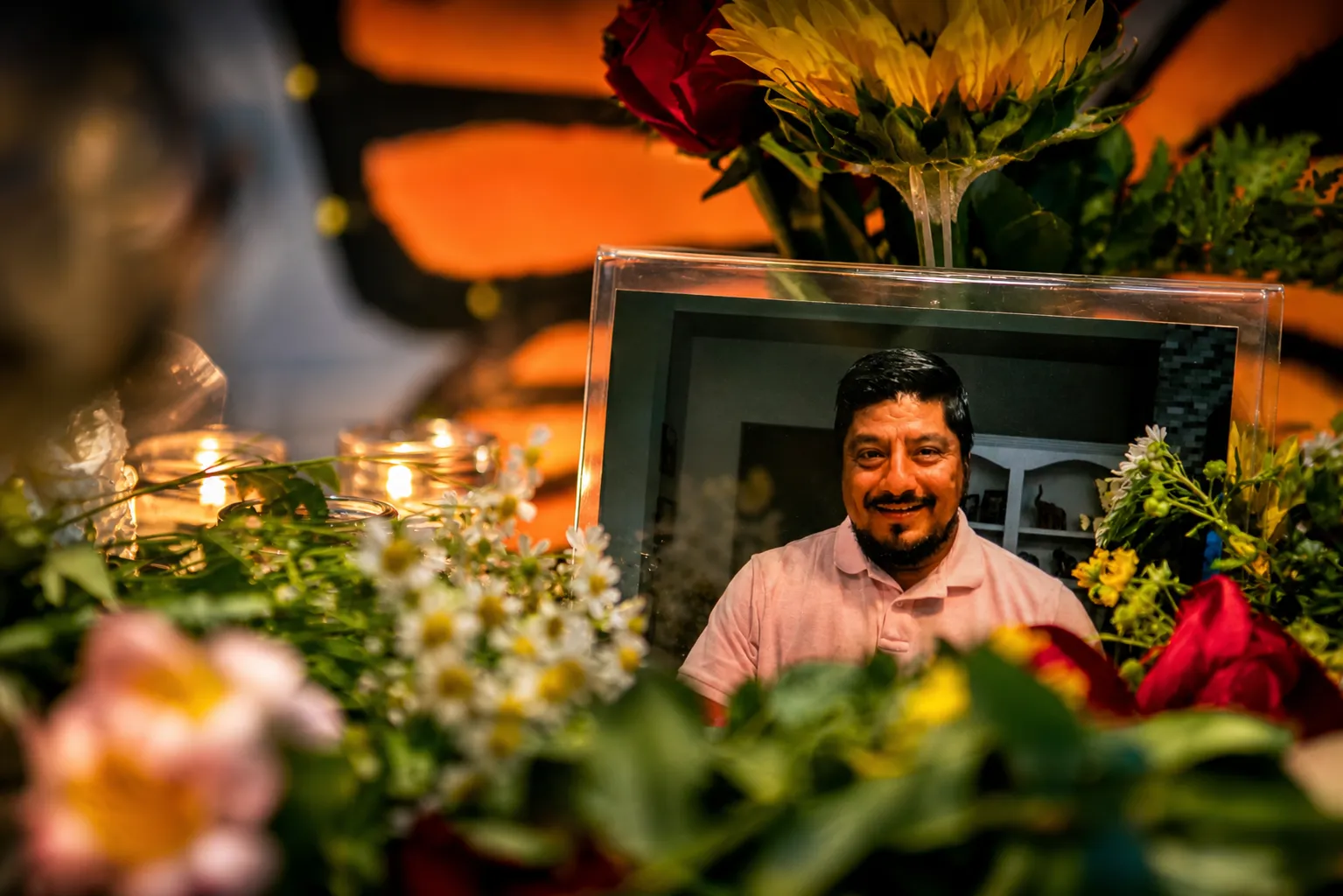
Passengers riding in the van with Lorenzo Salgado Araujo when he was fatally shot by an Immigration and Customs Enforcement agent in Houston say the officers conducting the traffic stop were not in danger at the moment gunfire erupted, and that the driver was simply parking his vehicle when the shots were fired.
Two men who were in the back seat of the white van filed handwritten statements in federal court this week containing accounts that directly contradict the federal government’s justification for the shooting. Both passengers stated that at no point during the encounter were ICE agents positioned in front of the vehicle, nor did the driver pose a threat to the officers. The statements provide rare firsthand testimony about what happened on July 7, when ICE agents attempted to stop the van in Houston’s Magnolia Park neighborhood.
“At no moment were the agents in front of the vehicle,” Daniel Tirado Pantoja, a rear passenger, wrote in his statement. “Lorenzo had come to a full stop while the agents fired.”
A second passenger, Jose Trinidad Rojas Pliego, offered a similar account. He wrote that although a patrol vehicle had chased them, Salgado Araujo believed he had lost the unmarked vehicles before they were suddenly cornered. “Out of nowhere, they suddenly cornered us and we told Lorenzo to stop the van,” Rojas Pliego wrote. “When Lorenzo stopped the van, the officer shot him anyway.”
The federal government’s account differs substantially from these witness accounts. Assistant Attorney General Aaron Reitz alleged that the driver had shifted the van into reverse and then forward again while an officer was partially inside the vehicle or standing immediately next to it. However, this claim is not visible in available video footage and is contradicted by the passengers’ statements.
Experts who reviewed available footage and photographs of the van before and after the encounter have challenged the official narrative. The location of Salgado Araujo’s fatal wound—to the lower right of his abdomen—indicates that officers fired through the front right passenger window, according to forensic analysis. This positioning strongly suggests that the shooting agents were not in imminent danger, as experts have noted.
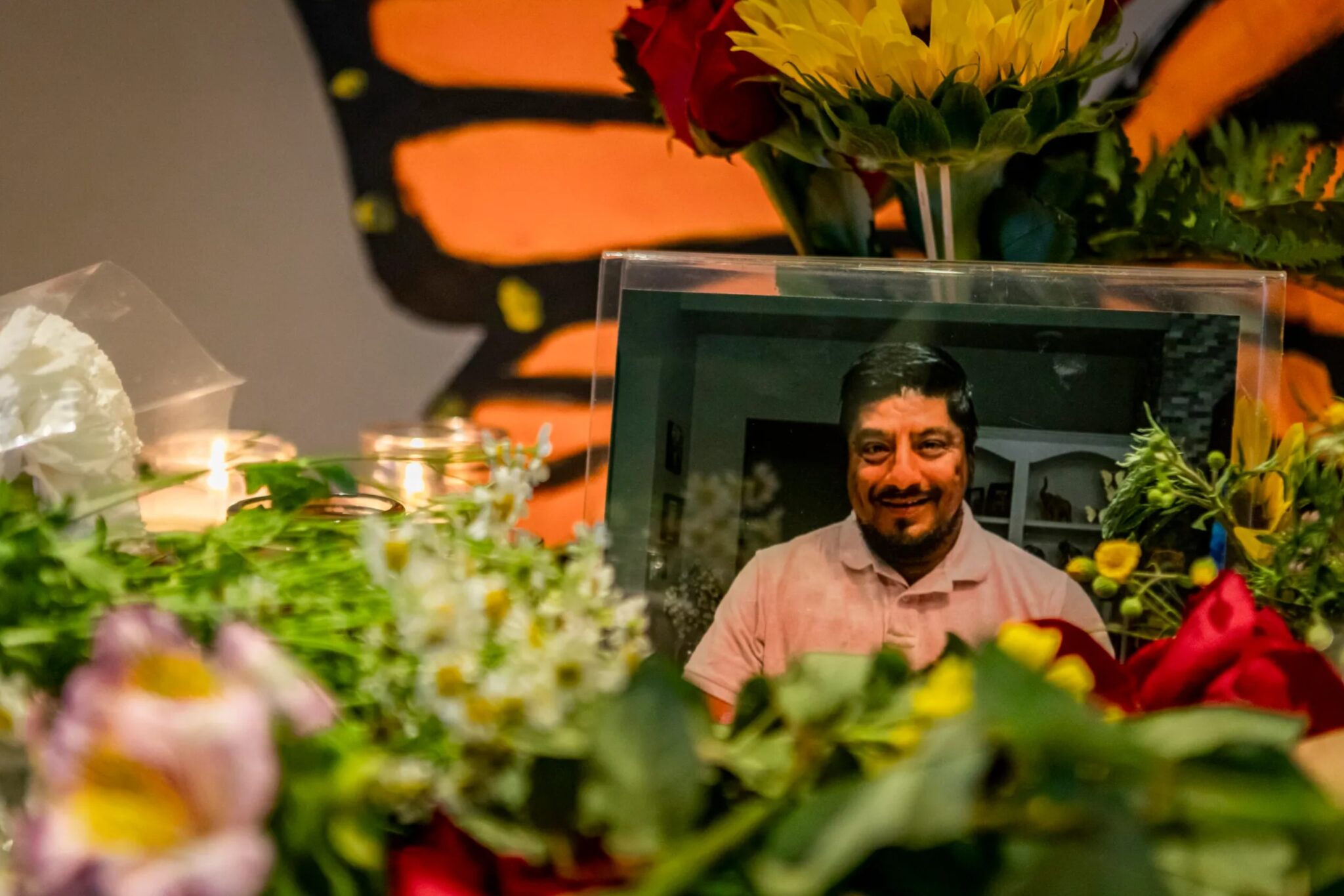
Salgado Araujo, a 52-year-old Mexican national, was on his way to work when ICE agents conducted what they described as a targeted enforcement operation. His family stated he was picking up construction crew members to work on homes in North Houston. According to federal officials, the agents were investigating two Guatemalan men who had previously evaded arrest and believed they had spotted a similar white van in the area. Rather than presenting themselves as law enforcement with marked vehicles and activated lights, the officers were driving unmarked vehicles.
The three other men in the van, including Salgado Araujo’s brother, were detained by ICE. They told their attorney, Hugo Balderas-Ibarra, the same account as the passengers—that the officers were never in danger and that no one attempted to ram or otherwise threaten the agents. Balderas-Ibarra stated he had no doubt about the veracity of their account.
Evidence has emerged suggesting ICE agents may have caused damage to the vehicle during the encounter. Experts analyzing photographs from before and after the incident noted that damage to the driver’s side of the van suggests it was the ICE agents’ vehicles that struck it during the pursuit, not the other way around.
The shooting occurred on July 7, just days before another fatal ICE shooting in Biddeford, Maine, on July 13. That incident resulted in the death of 26-year-old Johan Sebastian Guerrero, a Colombian man who was not the target of the enforcement operation. The two shootings in less than a week prompted the Trump administration to temporarily suspend most vehicle stops conducted by ICE, though President Trump subsequently reversed that pause, insisting that ICE should continue the traffic stops.
The lack of body camera footage has emerged as a significant issue in both cases. None of the ICE agents involved in either shooting were wearing body cameras, limiting the video evidence available for investigation. The agencies conducting separate investigations into Salgado Araujo’s death include the FBI, the Department of Homeland Security, and the Texas Rangers, which were called to investigate following demands from state officials.
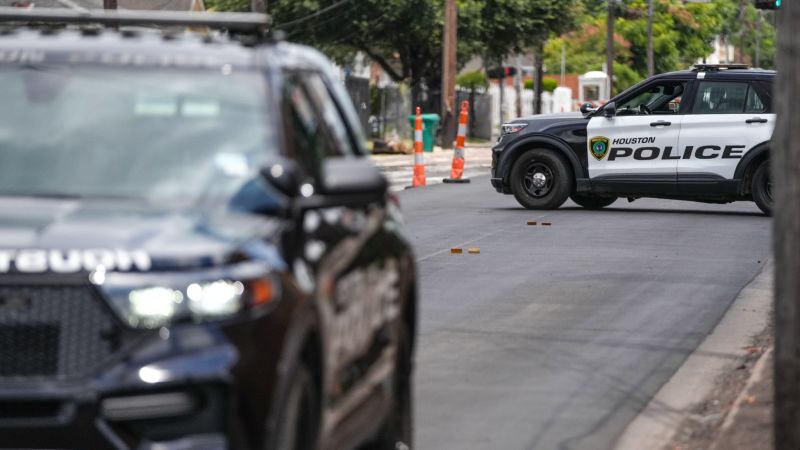
Salgado Araujo’s case has reignited scrutiny of ICE’s tactics during immigration enforcement operations. The incident has sparked protests and calls for investigation from local officials and community advocates, with residents questioning whether deadly force was justified in a situation where the driver had complied by stopping his vehicle. The handwritten statements from passengers now provide testimony that may help investigators understand what occurred during those final moments before the fatal shot was fired.