


The Trump administration is launching a new campaign to recruit military veterans into commercial truck driving positions, seeking to fill the shortage created as tens of thousands of immigrant drivers have lost their licenses in a government crackdown that began earlier this year.
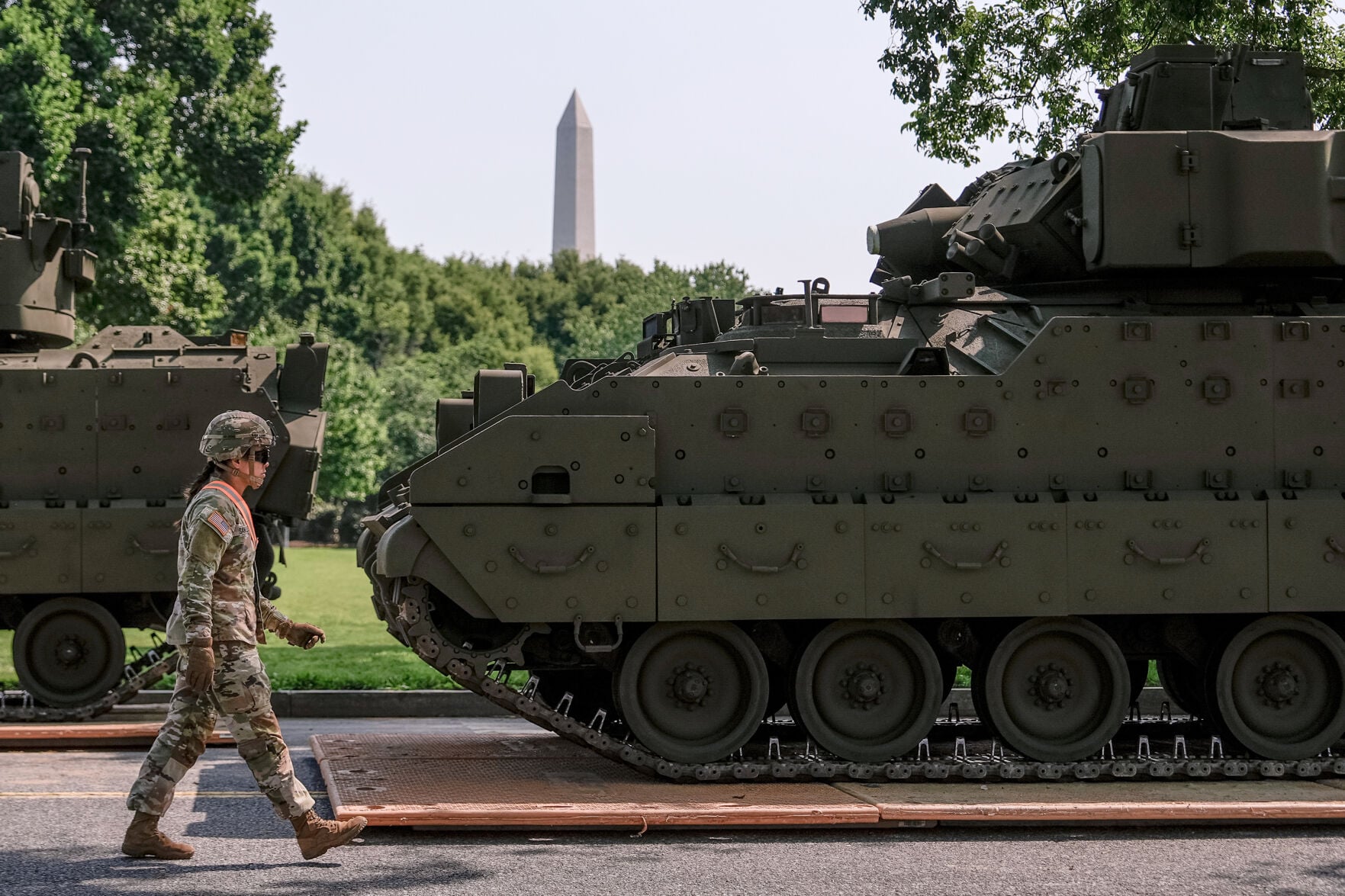
A new initiative unveiled Friday will expand programs allowing veterans who operated large military vehicles to bypass the required skills test for a commercial driver’s license. Under the existing program, more than 40,000 veterans have already obtained their CDLs in this expedited manner, enabling them to enter the workforce within a few weeks. The GI Bill will pay for 100 percent of commercial driver’s license training costs and in some cases provide housing allowances during training, according to Transportation Department officials. Other service members can attend commercial driving schools during their final six months of active duty.
The campaign represents part of a broader White House initiative to help veterans transition into civilian careers, with officials planning to announce additional employment programs on Monday. The Transportation Department is coordinating with the Pentagon and the Departments of Veterans Affairs and Labor to position trucking as an attractive profession for those leaving military service who prefer independence from traditional desk jobs.
The recruitment effort comes as the trucking industry faces significant upheaval following the administration’s decision in March to begin revoking commercial driver’s licenses from hundreds of thousands of immigrant drivers. Approximately 200,000 immigrant truck drivers began losing their licenses as existing licenses expire under the new rule. The Transportation Department initiated enforcement of existing English language requirements for truckers last summer, sparking the accelerated license revocations.
The administration’s crackdown was prompted by high-profile fatal truck crashes involving immigrant drivers. A crash on Florida’s Turnpike in August killed three people when a semi-truck made an illegal U-turn, colliding with a minivan. Another deadly crash occurred in California in October. Both drivers involved in these major incidents were identified as Sikh, drawing particular attention to that community, though the administration’s policy affects a broader group of immigrant drivers including asylum seekers, refugees, and DACA recipients.
Transportation Secretary Sean Duffy stated that the administration’s actions were necessary to address driver safety concerns. However, immigrant advocacy groups have criticized the policy, arguing that many drivers are being unfairly targeted. The groups note that the drivers losing their licenses have been legally present in the United States and had met all current licensing requirements. Critics also point out that the administration has not provided rigorous data demonstrating that the targeted groups drive more dangerously than U.S. Citizens.
In California, as many as 61,000 immigrant truck drivers face the prospect of losing their licenses in coming years, representing between five and ten percent of the state’s CDL holders. Approximately 13,000 have already had their licenses revoked. These drivers include people with legal status to work in the country, yet they have been unable to support their families after losing their professional licenses. Multiple lawsuits are seeking to restore the licenses, though legal experts indicate these cases may take months or years to resolve.
The Transportation Department said truck drivers currently earn an average of $70,000 annually, as the truck market has tightened and rates have increased. Industry representatives have applauded the administration’s effort to remove unqualified drivers from the roads and close down fraudulent CDL training schools, and they have praised the veteran recruitment initiative.
Derek Leathers, chairman and CEO of Werner Enterprises, stated that veterans make up 15 percent of his company’s workforce and bring leadership, discipline, and technical skills essential to success. Cole Stevens, chief strategy officer at Stevens Transport, similarly noted that some of the industry’s best drivers and leaders have come from military backgrounds.
Veterans still must study regulations and pass the written commercial driver’s license test, but those with recent military experience driving vehicles over 2.5 tons can skip the skills examination. The government anticipates this pathway will be particularly attractive to service members seeking alternative careers. The trucking industry moves approximately 73 percent of the nation’s freight and has long struggled with driver shortages and high turnover rates.
The administration’s strategy attempts to address competing workforce challenges: the removal of immigrant drivers from the roads in the name of public safety, and the immediate need to maintain adequate driver capacity to keep the transportation system functioning. Whether the veteran recruitment initiative can sufficiently offset the loss of the immigrant workforce remains uncertain. Industry analysts have warned that the reduced driver pool could raise shipping costs across the country and potentially increase consumer prices.